By Muhammad Amaan
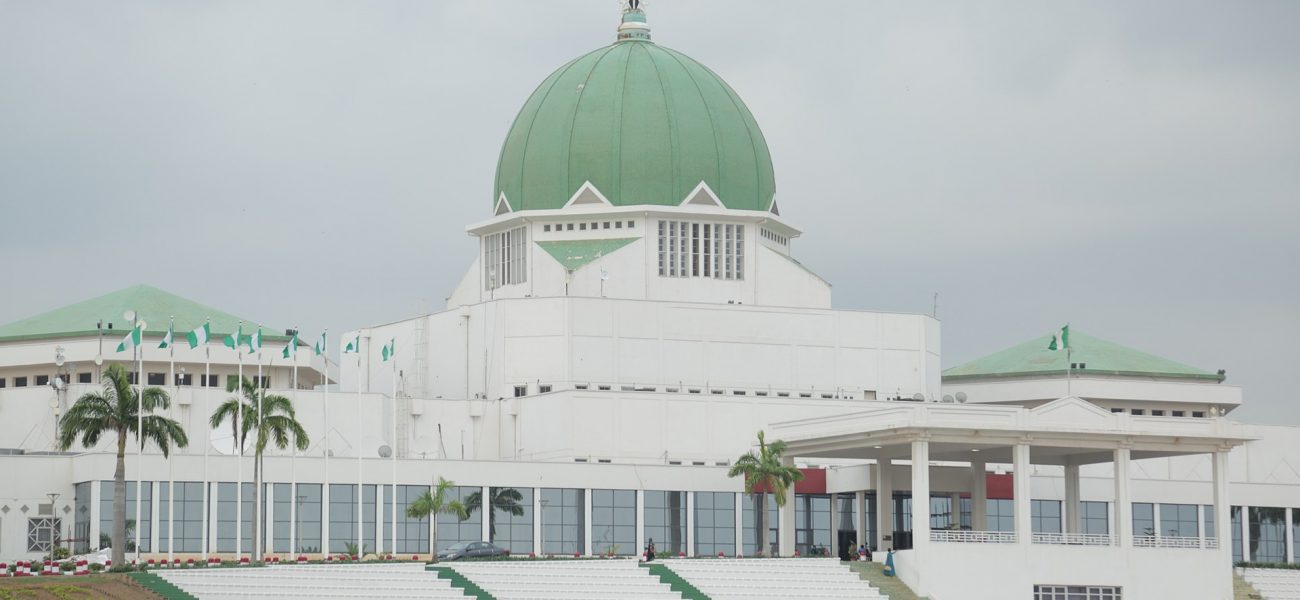
Health issues has dominated proceedings at both chambers of the National Assembly did this week, as the House of Representatives passed two public health bills, moved urgent motions on a malaria outbreak in Zamfara and on funding for teaching hospitals, and adopted an inquiry into billions of dollars in donor health grants.
Alongside that, President Bola Tinubu’s N10.79 trillion borrowing request reached the House, lawmakers took up a Nigerian fintech’s blocked New York listing, and both chambers paused to celebrate a team of teenagers who became world champions.
In the House, members passed two health bills outright. The National Institute for Public Health and Infectious Diseases Bill (HB.2629) would set up a specialist tertiary hospital and research centre in Zaria for epidemic response, while the Tuberculosis (Anti-Discrimination) Bill (HB.2298) would protect the rights and dignity of people living with TB.
Both cleared the Committee of the Whole and were read a third time.
The urgency came from the floor. Hon. Bello Hassan Shinkafi (Shinkafi/Zurmi, Zamfara) moved an emergency motion on a surge of malaria and acute febrile illness in Shinkafi and Maradun, where children, pregnant women and the elderly are overwhelming local clinics.
The House asked the Ministry of Health, the malaria programme, the NCDC and NEMA to deploy.
Hon. Patrick Umoh (Ikot Ekpene, Akwa Ibom) won support for a separate motion pressing for higher budgets for teaching hospitals and federal medical centres, noting health spending has slipped from about 5.33 percent of the budget in 2023 to a proposed 4.20 percent, still short of the 15 percent Abuja Declaration target.
Supply bills also advanced. The Drug Revolving Fund (Essential Drugs) Bill (HB.1873) and a Federal College of Nursing and Midwifery at Ibadan North (HB.2639) reached second reading, and the Federal Medical Centres Act (Amendment) Bill (HB.2842) followed a day later.
The House also adopted a committee inquiry into roughly US$1.8 billion from the Global Fund and US$2.8 billion from USAID received between 2021 and 2025 for HIV, TB and malaria, with ten recommendations requiring recipients to account for the money.
In the Senate on November 10 and 11, lawmakers concluded work on the Banks and Other Financial Institutions Act (Amendment) Bill (SB.959), which strengthens the Central Bank’s oversight of systemically important institutions and large financial-technology firms.
It passed and was taken up for concurrence in the House the next day.
The chamber also passed, at third reading, the National Senior Secondary Education Commission Act (Amendment) Bill (SB.1075).
On 12 November the House introduced thirteen bills at first reading, led by the National Gender Equality and Inclusive Growth Bill (HB.2862), alongside amendments to the Petroleum Industry Act (HB.2866), the Nigeria Customs Service Act (HB.2865) and the Nigeria Revenue Service Act (HB.2864).
Members also moved on gridlock along the Abuja-Kaduna Expressway and on equipping federal university laboratories and workshops.


