

By Muhammad Amaan with agency report
The Nigeria’s Federal Government said that it will no longer resolve health sector disputes through hurried agreements reached under the pressure of strikes.
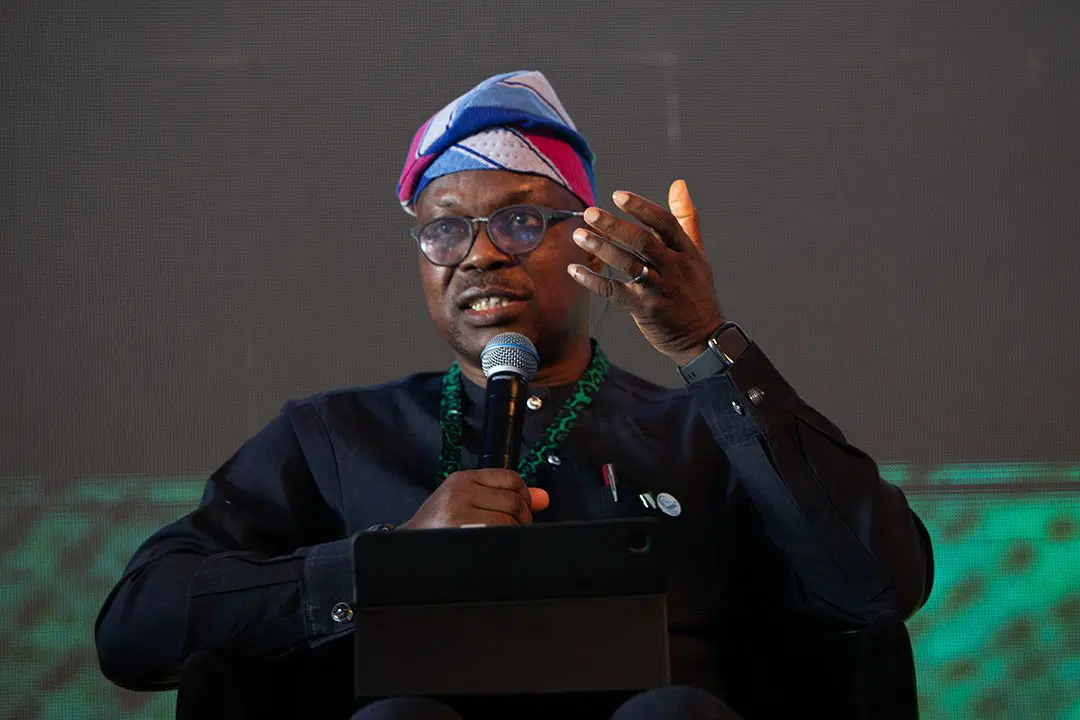
The Minister of State for Health and Social Welfare, Dr Iziaq Adekunle Salako, who stated this while appearing on Channels Television’s Sunrise Daily, stressed that such deals have repeatedly failed to deliver lasting industrial harmony.
He said that the government is now shifting toward consensus-based negotiations that consider the interests of all professional groups within the health sector.
“For years, governments reached agreements on the eve of strikes just to bring people back to work. Those agreements were not enduring. Six months later, you are back at the negotiation table again,” he said.
Dr Salako explained that the health sector operates as a team, warning that agreements reached with one group in isolation often trigger agitation from others.
“When you reach an agreement with doctors alone, without considering nurses and other health workers, what you get is instability. Whatever you do to one cadre affects the rest of the system,” he said.
He noted that this approach guided the government’s decision last year to withdraw a circular on professional allowance increases after doctors threatened industrial action and to reopen negotiations involving all stakeholders.
“We brought everybody to the table,” he said. “By the time the revised circular was issued in November, it was acceptable to all. That is the kind of process we want to sustain.”
The minister acknowledged that while major unions such as the Nigerian Medical Association have cooperated with this approach, some groups still favour what he described as a militant path.
“That militant approach has been tried repeatedly in the past, and it has not worked. The government would not be stampeded into agreements it could not sustain,” he said.
Responding to claims by resident doctors that several of their demands remain unmet, Salako said significant progress had already been made, noting that issues raised during a November strike had reduced substantially.
“They went on strike with 19 demands. Today, they are talking about nine. Even those nine have been addressed and explained to them,” he said.
He also dismissed suggestions that the increase in professional allowances was excluded from the 2026 budget, saying the contrary was true.
“I spoke with the Director of Budget, who assured me that the provision is captured in the 2026 budget. The adjustment would cost the Federal Government about ₦90 billion,” Salako explained.
Addressing disputes over entry-level placement for newly employed doctors, the minister said the issue involves multiple government institutions and cannot be resolved by the Ministry of Health alone.
“The ministry is not opposed to entry-level CONMESS 3 for doctors. But it is not a decision for one ministry to make. The Head of Service, the Salaries Commission and the Budget Office must be aligned,” he said.
Dr Salako added that the government is working to resolve the disagreements to avoid confusion in employment and payroll placement across federal health institutions.
He also rejected claims that the dismissal of some doctors at the Federal Medical Centre in Kogi State was linked to union activities, describing the action as a disciplinary matter handled through established civil service procedures.
According to him, the ministry has reviewed the case and approved partial reinstatement based on recommendations from an internal committee.
The minister concluded that, “The idea is to resolve issues properly, not on paper and not under pressure. If we allow time for consensus and bring everyone on board, we can achieve lasting stability in the health sector.”


