
By Sadiq Sani Malami
The Africa Health Budget Network (AHBN) has urged the Kano State Government to consolidate the gains on immunization through sustained financing and effective fund utilisation and accountability.
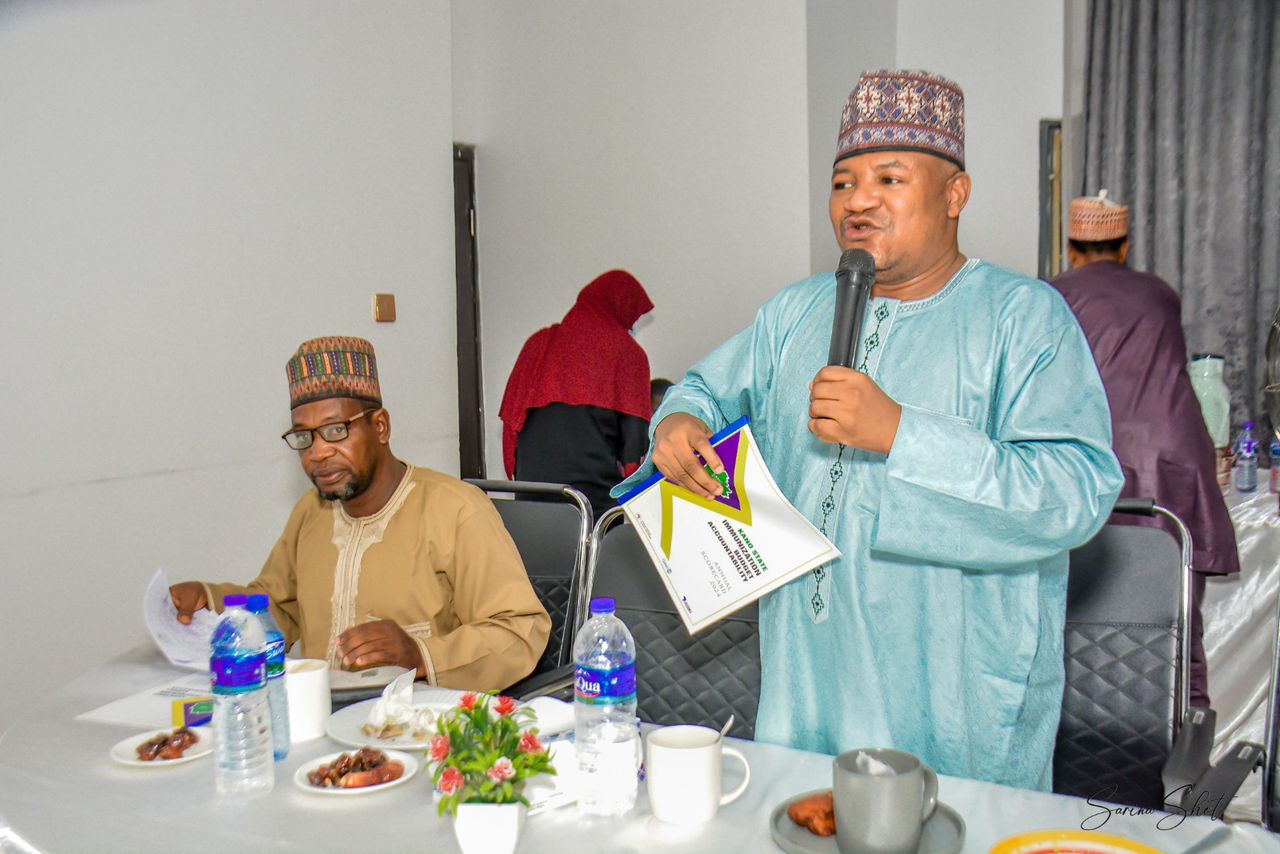
This was contained in a statement issued by the AHBN Coordinator, Dr Aminu Magashi Garba, to highlight key findings from the latest Immunization Budget Accountability Scorecard covering the 2025 fiscal year.
He said the AHBN is working closely with its Communities of Practice (CoP) across Bauchi, Borno, Kano, and Sokoto States by building on years of evidence-based tracking and citizen-led accountability.
According to him, the scorecard examines government commitments to immunization financing, budget allocation, releases, and service delivery outcomes.
“While the Zero Dose Learning Hub (ZDLH) initiative supported by GAVI with technical partnership from AFENET has formally concluded in December 2025, AHBN and the CoP remain committed to sustaining accountability efforts that promote equitable access to life-saving vaccines, particularly for zero-dose children in 2026 and beyond,” Dr Magashi said.
The AHBN Coordinator added that the Kano State recorded a historic milestone in 2025 with a total ₦1.4 billion allocated to immunization services, a significant increase from ₦528 million in 2024.
“This substantial investment reflects growing prioritization of immunization within the state’s health agenda. Encouragingly, this increased allocation was matched by improved service delivery outcomes, with Penta 1 and Penta 3 vaccination coverage rates both exceeding 65%.
“To sustain this progress and further reduce the number of zero-dose children, AHBN and the Community of Practice urge the Kano State Primary Health Care Management Board (KNSPHCMB) to prioritize timely and adequate disbursement of the Basic Health Care Provision Fund (BHCPF) received from the National Primary Health Care Development Agency to primary healthcare facilities,” he added.


