

By Muhammad Amaan
Stakeholders in Bauchi State have kicked off a new initiative aimed at increasing immunization coverage and ensuring budget accountability to reach zero-dose and under-immunized children across the state.
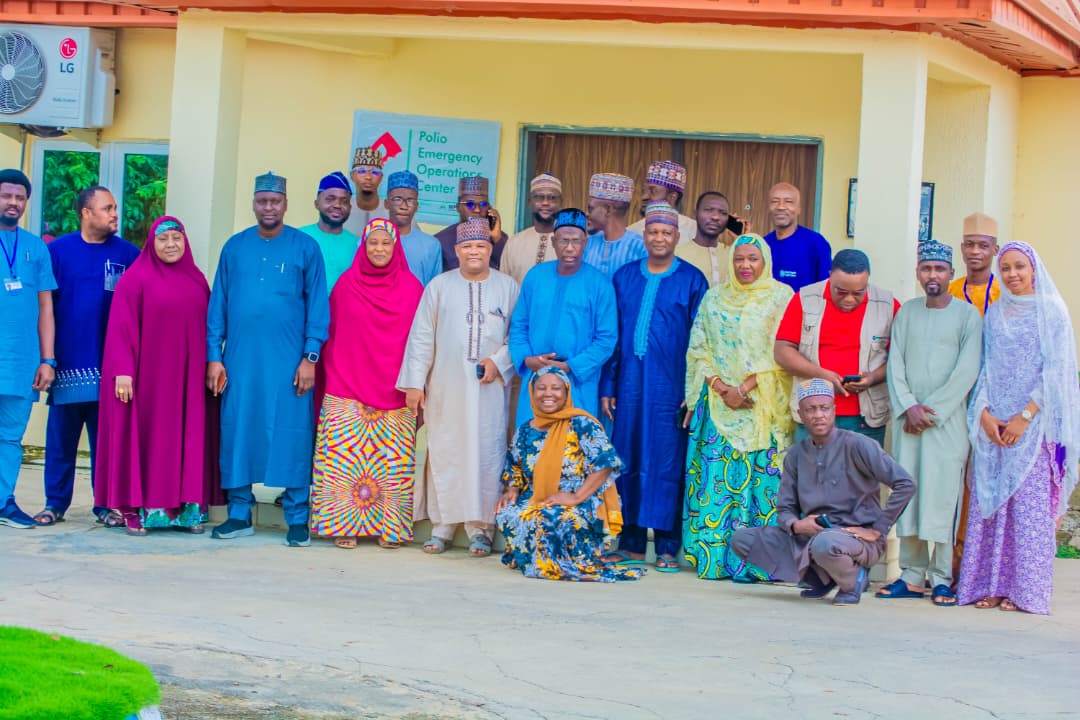
The project, titled “Strengthening Immunization Coverage and Budget Accountability to reach Zero Dose and Under Immunized Children in Bauchi State,” was launched at the Bauchi State Immunization and Polio Operations Centre.
Health Reporters Newspaper reports that the project is funded by Gavi, The Vaccine Alliance with MannionDaniel serving as the Fund Manager.
Speaking at the kick-off meeting, Coordinator of Africa Health Budget Network (AHBN), Dr Aminu Magashi Garba said the project comes at a critical time when Bauchi still records a high number of children who have not received a single dose of vaccine.
He noted that improving immunisation coverage requires not just vaccines, but also transparency in how resources are planned, released, and utilised at the primary healthcare level.

Dr Magashi stressed that budget accountability will be central to the project’s success.
According to him, tracking immunization budgets from state to LGA and facility level will help identify gaps, prevent leakages, and ensure funds meant for vaccines, logistics, and health worker support actually reach the beneficiaries.
Also speaking at the event, Executive Chairman of the Bauchi State Primary Healthcare Development Board (SPHDB), Dr Rilwan Muhammad, described the initiative as timely and aligned with the state government’s commitment to reducing child mortality.
He said the Board is fully committed to working with partners to identify zero-dose communities and strengthen routine immunization service delivery.
Dr Rilwan explained that many of the zero-dose and under-immunized children are found in hard-to-reach areas and among vulnerable populations.
He added that the project will support data-driven planning, community engagement, and stronger supervision to ensure no child is left behind in the immunization program.

The meeting brought together key stakeholders from government, civil society, and development partners.
Participants agreed that poor funding, weak accountability, and gaps in community mobilization are among the major barriers to achieving high immunization coverage in the state.
The new project is expected to address these challenges through advocacy, monitoring, and capacity building.
Organisers said the project will focus on three key areas: strengthening demand for immunization through community sensitization, improving supply-side readiness in health facilities, and tracking immunization budget performance for greater transparency.
Civil society organizations will play a major role in monitoring budget implementation and amplifying community voices.
In his closing remarks, Dr Magashi called for stronger collaboration between government, partners, and communities to ensure the project delivers results.
He expressed optimism that with better planning, accountability, and community involvement, Bauchi State can significantly reduce the number of zero-dose children and improve overall immunization outcomes.


