

By Iyemah David
Africa Centres for Disease Control and Prevention (Africa CDC) have renewed calls for expanded access to new HIV prevention tools and increased domestic investment, warning that the continent still bore largest share of the global HIV burden.
Africa CDC said the continent continued to account for nearly 70 per cent of new HIV infections globally, underscoring the need for stronger prevention strategies and sustainable financing.
Dr Landry Tsague, Director of the Centre for Public Health, Africa CDC, disclosed this during the weekly high-level regional news conference on Thursday.
He said the continent was entering what he described as an “unprecedented era in the HIV response,” following recent scientific breakthroughs in prevention tools.
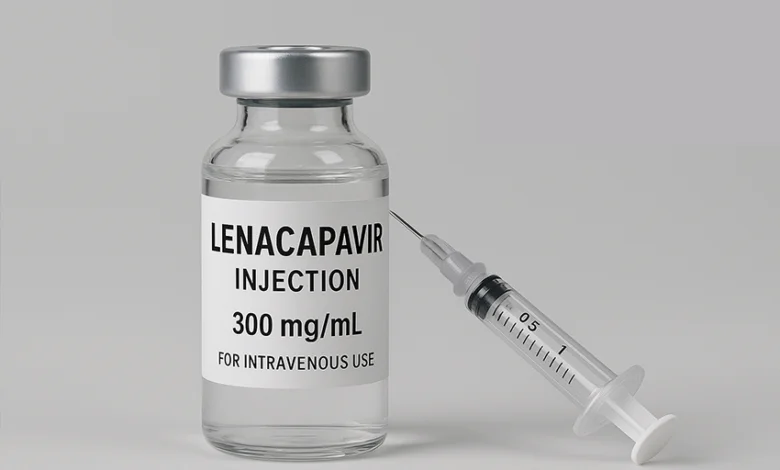
Dr Tsague highlighted the emergence of Lenacapavir, a long-acting injectable drug that protected against HIV infection for up to six months with just two injections annually.
According to him, the drug represents a significant shift in HIV prevention because it addresses long-standing challenges such as treatment adherence and stigma, which have historically hindered prevention efforts.
“Lenacapavir is among the pre-exposure prophylaxis injectables and offers greater convenience compared to earlier options because it requires only two injections per year,” he said.
He explained that while another injectable option, Cabotegravir, had already been introduced in some countries, the newer drug could further strengthen prevention efforts, particularly among high-risk populations.
Dr Tsague noted that expanding access to these innovations would require stronger collaboration among governments, donors, civil society organisations and pharmaceutical manufacturers.
He said Africa CDC is prioritising access to new HIV prevention technologies, including lenacapavir, while also pushing for local manufacturing of HIV medicines, diagnostics and therapeutics across the continent.
According to him, the move is part of broader efforts to enhance Africa’s health security and sovereignty, reducing reliance on external supply chains for critical health commodities.
“HIV remains a major public health issue on the continent, both in terms of disease burden and new infections,” he said.
He also warned that the global HIV response was undergoing a major financing transition, as international support mechanisms evolved and countries were expected to take on greater responsibility for funding their health programmes.
Tsague stressed the need for increased domestic financing and innovative funding mechanisms, including blended financing models that combined public and private investments.
He said that scaling up prevention tools, strengthening health systems and ensuring sustainable financing would be essential if African countries were to reduce HIV infections significantly in the coming years.
He reiterated that sustained partnerships and stronger political commitment would be critical to ending the epidemic and ensuring that new scientific breakthroughs translated into real public health gains across the continent.
Lenacapavir, the twice-yearly injectable drug for HIV prevention, has so far, been introduced or approved in about four countries globally. These include the United States, South Africa, Zambia and Zimbabwe.
Nigeria is preparing for its adoption through the national HIV programme as global access expands.
Several other African countries are currently reviewing the drug or awaiting regulatory approval for rollout.


