

By Muhammad Amaan
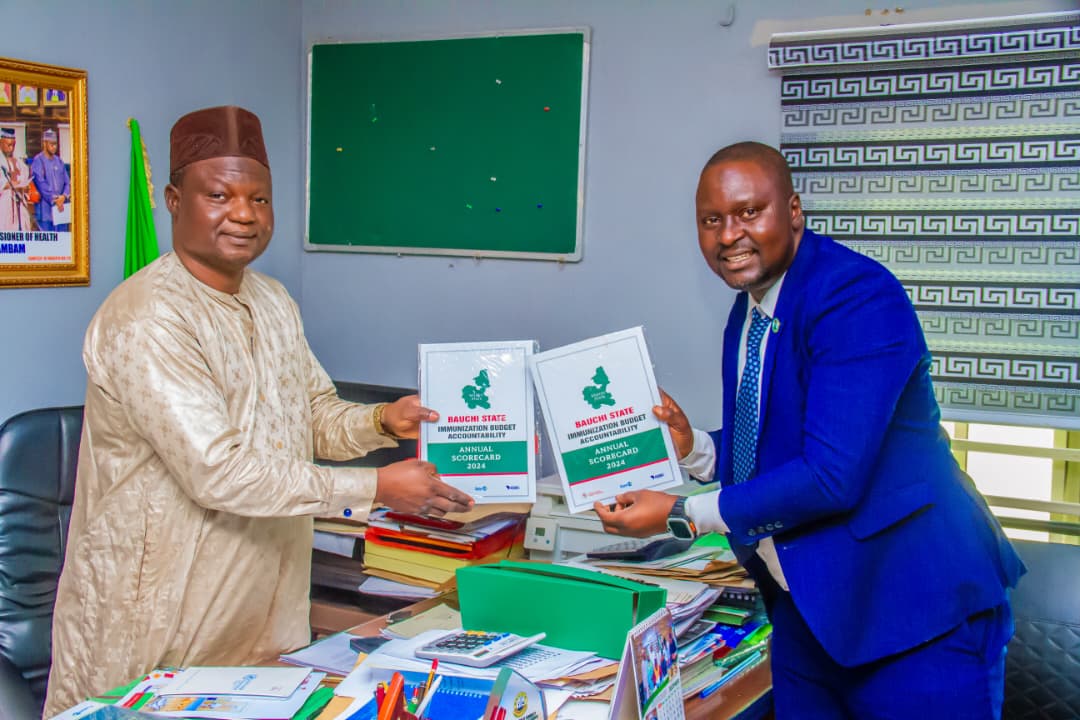
The African Health Budget Network (AHBN) has presented its flagship publication, the Bauchi State 2025 Immunization Financing Scorecard, alongside key resources from the Zero Dose Learning Hub to the Commissioner for Health, Bauchi State.
This pivotal handover underscores AHBN’s commitment to driving evidence-based improvements in immunization funding and accountability within Nigeria’s public health system.
Representing AHBN, Dr. Hassan Shuaibu Musa formally conveyed a message from Dr. Aminu Magashi Garba, AHBN’s Coordinator/Chief Executive Officer.
Dr. Musa urged the state government to leverage the scorecard’s findings to secure enhanced commitment, increased funding, and greater accountability for immunization programs.
“This scorecard provides a clear roadmap for Bauchi State to address financing gaps and ensure no child is left behind in our immunization efforts,” Dr. Musa emphasized during the courtesy visit to the Commissioner’s office.
The 2025 Immunization Financing Scorecard offers a comprehensive analysis of Bauchi State’s immunization budget performance, highlighting strengths, gaps, and actionable recommendations.

Developed through rigorous data collection and stakeholder consultations, it aligns with national and global goals to eliminate zero-dose children—those missing out on basic vaccines.
Complementing this were select publications from the Zero Dose Learning Hub, including toolkits on zero-dose strategies, financing models, and program monitoring frameworks.
These resources equip policymakers with practical insights to scale up routine immunization coverage.In a parallel advocacy effort, Dr. Hassan extended the outreach to key ministry leaders.
He paid a similar visit to the Permanent Secretary, Bauchi State Ministry of Health, Mal. Dauda Yakubu, and the Director of Planning, Research, and Statistics.
During these engagements, Dr. Musa reiterated the scorecard’s value as a tool for evidence-driven budgeting and called for multi-sectoral collaboration to boost domestic funding for vaccines and cold-chain logistics.
Copies of the scorecard and Zero Dose Learning Hub publications were officially handed over to the State Ministry of Health for distribution to relevant Ministries, Departments, and Agencies (MDAs).
This ensures widespread dissemination and utilization across Bauchi’s health ecosystem, from local government areas to primary health centres.
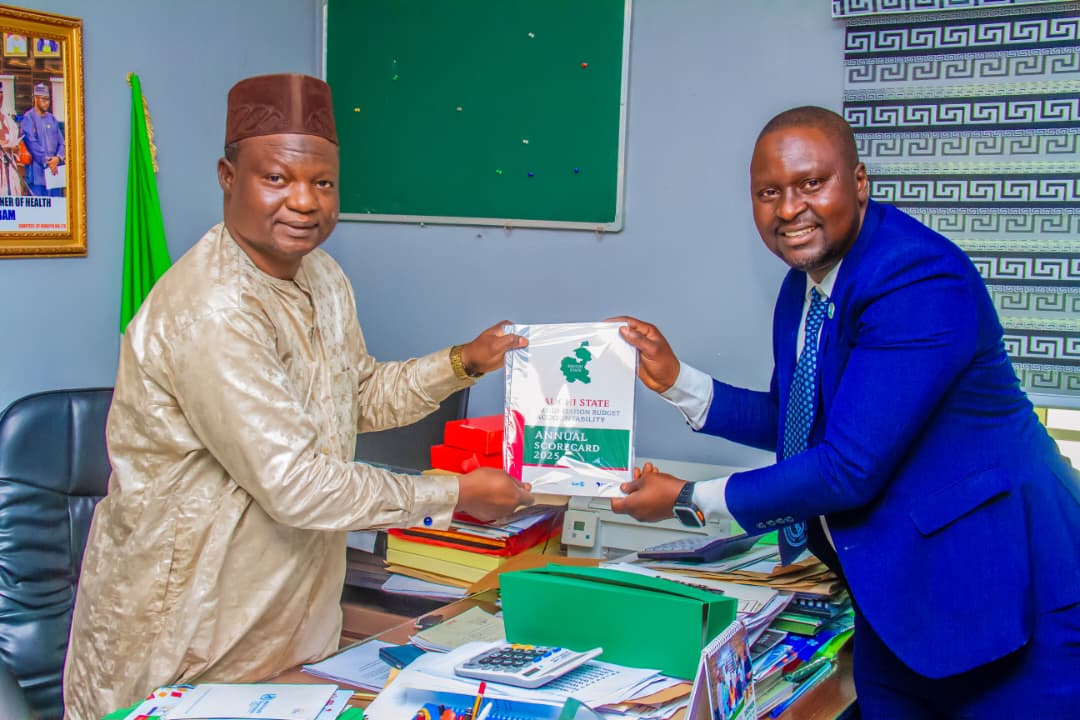
AHBN’s initiative comes at a critical juncture, as Nigeria grapples with persistent immunization financing shortfalls amid rising vaccine-preventable disease burdens.
By spotlighting Bauchi’s performance—such as budget release rates, expenditure tracking, and equity in resource allocation—the scorecard empowers advocates and officials to advocate for reforms.
Dr. Magashi Garba’s message, delivered through Dr. Musa, stressed: “Sustainable immunization requires not just funding, but accountable stewardship. Bauchi State can lead by example.”
Stakeholders, including civil society organizations and development partners, have welcomed the scorecard as a vital resource for the upcoming state health budgeting cycle.
AHBN invites media, policymakers, and the public to access these materials via its website and join calls for prioritized immunization investments.


