

By Abujah Racheal
When 24-year-old Mrs Ozi Longi of Shere community, a small settlement about 13 kilometres from Bwari in the FCT, went into labour, she feared for her life due to local maternal mortality risks.
In her community, stories of women dying during childbirth are common. Many are turned away from understaffed clinics or referred too late, leaving families with little hope of safe deliveries.
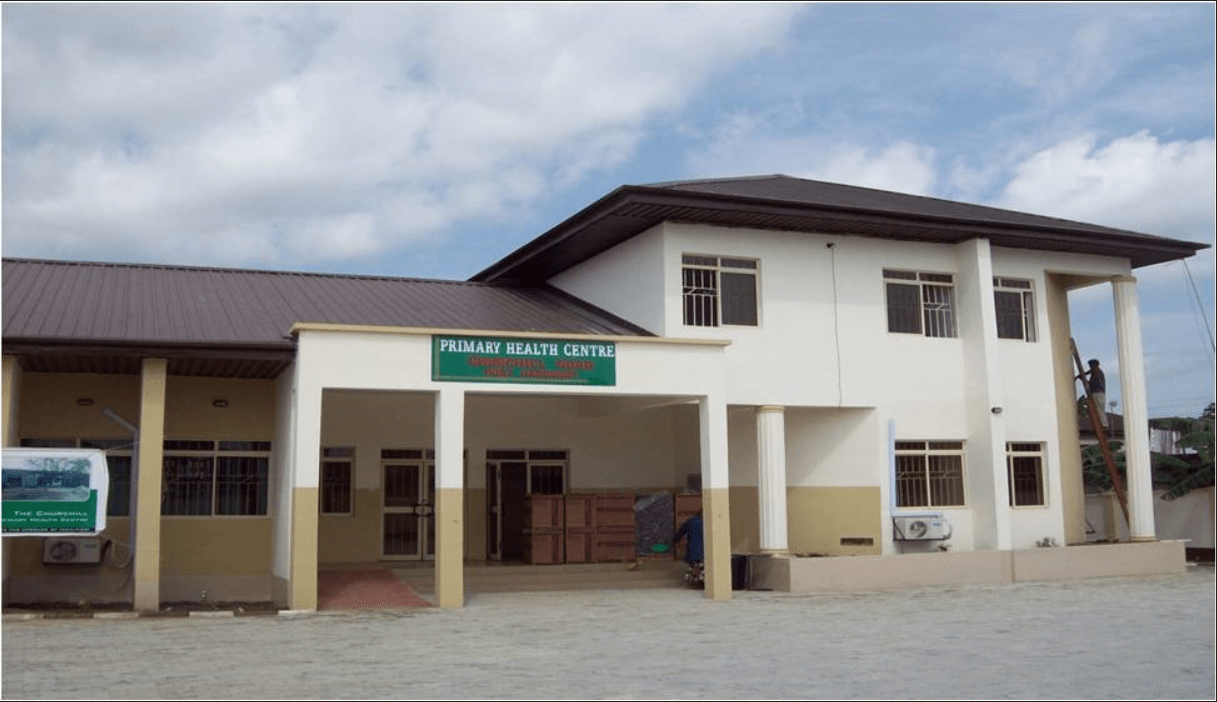
But this time, Longi said her experience was different. She felt reassured that the Primary Health Care (PHC) facility was properly equipped and staffed to provide safe, reliable care.
“The PHC had electricity, water, essential drugs, and trained midwives on duty day and night. Hours later, I held my newborn safely in my arms,” she said quietly.
Her story reflects a quiet transformation in Nigeria’s health sector, increasingly powered by domestic health funding and accountability systems that ensure resources finally reach PHCs nationwide.
Domestic health financing includes federal, state, and local budgets, the Basic Health Care Provision Fund (BHCPF), and contributions through national health insurance schemes supporting local facilities across Nigeria.
Public health experts said strengthening domestic funding reduces donor dependence and allows Nigeria to sustain long-term health gains, improving infrastructure, staffing, and essential drug supplies in primary healthcare facilities.
In spite of reforms, stakeholders acknowledge PHCs remain Nigeria’s weakest service points, although they are meant to be the first line of care, providing preventive, maternal, and child health services to communities.
Data from national health assessments indicate that only about 20 per cent of Nigeria’s more than 34,000 PHCs are fully functional as of 2024–2025, highlighting persistent gaps in service delivery and care quality.
Infrastructure gaps remain: about 20 per cent lack electricity, nearly 30 per cent do not have reliable clean water, and some facilities still rely on lanterns or phone torchlights for night deliveries.
Human resource shortages are severe. Nigeria has approximately 35,000 practising doctors, far below the 237,000 needed for World Health Organisation standards, while only 11 per cent of PHCs meet minimum staffing requirements for nurses and midwives.
Studies between 2018 and 2024 show 60–90 per cent of Nigerians bypass PHCs due to poor service quality, drug stock-outs, and inadequate staffing, seeking care at overcrowded secondary and tertiary hospitals instead.
For rural women like Longi, these gaps can mean the difference between life and death, highlighting the urgent need for consistent investment and improved healthcare accessibility nationwide.
A major change is now unfolding at the state level, as increased domestic funding strengthens PHCs, reduces maternal mortality, and improves outcomes for mothers and children across Nigeria.
At the 2025 PHC Leadership Awards in Abuja, Chairman of the Nigeria Governors’ Forum (NGF), Abdulrahman AbdulRazaq, represented by Gov. Abdullahi Sule of Nasarawa, announced state health budgets rose from N831 billion to N2.36 trillion.
This 30 per cent increase signals stronger domestic commitment to PHCs, showing Nigerian states are taking responsibility for improving primary healthcare infrastructure and expanding access for vulnerable populations.
AbdulRazaq added that several states report reductions in institutional maternal mortality, attributing improvements directly to enhanced PHC investment, better staffing, and more consistent availability of essential drugs and equipment.
A national governors’ scorecard system has been introduced to track performance and strengthen accountability, with a more robust monitoring framework expected in 2026 to ensure states meet healthcare delivery commitments.
“These commitments are not mere declarations.
“They are responsibilities, ensuring every Nigerian can access quality primary healthcare through stronger state investment, effective governance, and improved accountability,” he said.
Dr Muyi Aina, Executive Secretary of the National Primary Health Care Development Agency (NPHCDA), disclosed that N52.5 billion has been disbursed to 8,309 PHCs since 2023, including N14.01 billion in early 2025.
“Quarterly PHC funding now provides N800,000 for high-volume facilities and N600,000 for low-volume facilities,” Aina said, highlighting that the financial support ensures consistent operations and better service delivery nationwide.
He said a PHC Financial Management App is being rolled out in early-adopter states to track spending in real time, reduce leakages, and restore public confidence in the healthcare system.
So far, 72,887 frontline health workers have completed training, with 4,119 undergoing training, as Nigeria moves toward a national target of 120,000 skilled personnel to strengthen primary healthcare delivery.
“These investments are already producing measurable impact. In the third quarter of 2025, antenatal attendance rose 22.5 per cent, over 54,000 pregnant women accessed PHCs, and commodities reached 968 facilities across ten states,” he said.
Health experts said effective accountability of domestic resources requires strong institutions and active community oversight to ensure funds reach PHCs and translate into tangible healthcare improvements.
Strengthening financial management systems under the BHCPF is crucial to track resources, prevent misuse, and maintain transparency in the allocation and utilisation of PHC funds nationwide.
Timely and transparent fund release, qualified finance managers, and digital monitoring tools are essential to improve accountability and prevent leakages at the facility level.
Publishing financial reports under the Freedom of Information Act, alongside digital tools such as the PHC Accountability Tracker, enables citizens to monitor expenditures and track facility service improvements.
Ward Development Committees (WDCs) and Civil Society Organisations (CSOs) are increasingly engaged in planning and oversight, promoting community ownership and enhancing transparency in the management of local primary healthcare services.
Oversight is further strengthened by Performance and Financial Management Officers (PFMOs) posted to local government areas, combined with independent audits involving community members to ensure funds are properly managed.
Experts emphasised that sustained political commitment at all levels is essential to insulate PHC reforms from leadership changes and ensure continuity of healthcare improvements nationwide.
Partnerships with anti-corruption bodies, including the ICPC, help address fraud, reduce leakages, and prevent diversion of critical healthcare resources, further strengthening PHC governance and accountability.
Under the Abuja Declaration, Nigeria pledged to allocate 15 per cent of its national budget to health, but only a few states have met this benchmark at varying times.
Reportedly, Sokoto and Jigawa met the target in 2023, Kano in 2024 and 2025, Bauchi allocated 16 per cent in 2017, and Yobe, Imo, and Bayelsa more than doubled health budgets between 2020 and 2022.
Overall, Nigeria’s average health allocation remains below 10 per cent, limiting PHC service quality and access, highlighting the need for consistent domestic funding and improved accountability systems.
In Dec. 2025, the NGF recognised outstanding states under the Primary Healthcare Leadership Challenge, awarding Yobe State the overall top performer prize of 1.2 million dollars.
Zonal winners included Gombe in the North-East, Nasarawa in North-Central, Zamfara in North-West, Abia in South-East, Rivers in South-South, and Osun in South-West, with corresponding runner-ups also acknowledged.
States were assessed on financing, governance, infrastructure, and service-delivery outcomes, ensuring awards reflect comprehensive improvements in primary healthcare across the country.
The Coordinating Minister of Health and Social Welfare, Prof. Mohammed Pate, said N32 billion was approved under BHCPF in late 2025, with 2,125 PHCs revitalised and 2,700 more targeted for upgrade.
He added that around 120,000 frontline health workers will be retrained between 2023 and 2026 to improve service delivery and quality of care in Nigeria’s primary healthcare system.
Pate noted that a national PHC Status Dashboard has been made public, allowing communities to track funding allocation, service delivery improvements, and infrastructure upgrades, enhancing transparency and accountability nationwide.
Public health expert Dr John Okoro, warned that corruption remains a central challenge, noting even highly educated health professionals sometimes prioritise personal interests over public welfare.
Okoro urged reform coalitions to prioritise transparency and accountability across the health system, alongside recruitment and improved welfare of staff to strengthen service delivery in PHCs and general hospitals.
He stressed that better work environments and staff welfare are essential to reduce the ongoing brain drain in the health sector, ensuring sustainable improvement in healthcare outcomes for Nigerians.
Mr Bulus Dasat, a community health worker in Nasarawa State, said confidence in PHCs is gradually returning, noting that reliable funding, supervision, drugs, and electricity are bringing women back to facilities.
Mrs Lydia Imani, 38, mother of four, said she now prefers PHC services because nurses know her family, treat patients with respect, and provide more reliable care than general hospitals.
Health economist Dr Abigail Banji, said strong accountability ensures domestic investments deliver results, including fewer maternal deaths, healthier children, improved immunisation, and reduced pressure on tertiary hospitals across Nigeria.
Dr Mustapha Lecky, Coordinator of the Health Sector Reform Coalition (HSRC), said challenges persist, including insecurity, health worker migration, rising operational costs, uneven state performance, and weak transport and referral systems affecting access to care.
Lecky said that community monitoring, strong leadership, and consistent domestic investment will determine whether current reforms succeed, translating policies into real improvements for patients across Nigeria.
For women like Longi and millions of others, accountable domestic investment is not an abstract concept; it is literally the difference between life and loss in Nigeria’s primary healthcare system.
(NANFeatures)


