

By Muhammad Amaan
The Federal Ministry of Health and Social Welfare has announced the establishment of a Citizens’ Response Centre (CRC) to enhance transparency, responsiveness, and public engagement in the health sector, Government Launches Citizens’ Response Centre, a major accountability milestone.
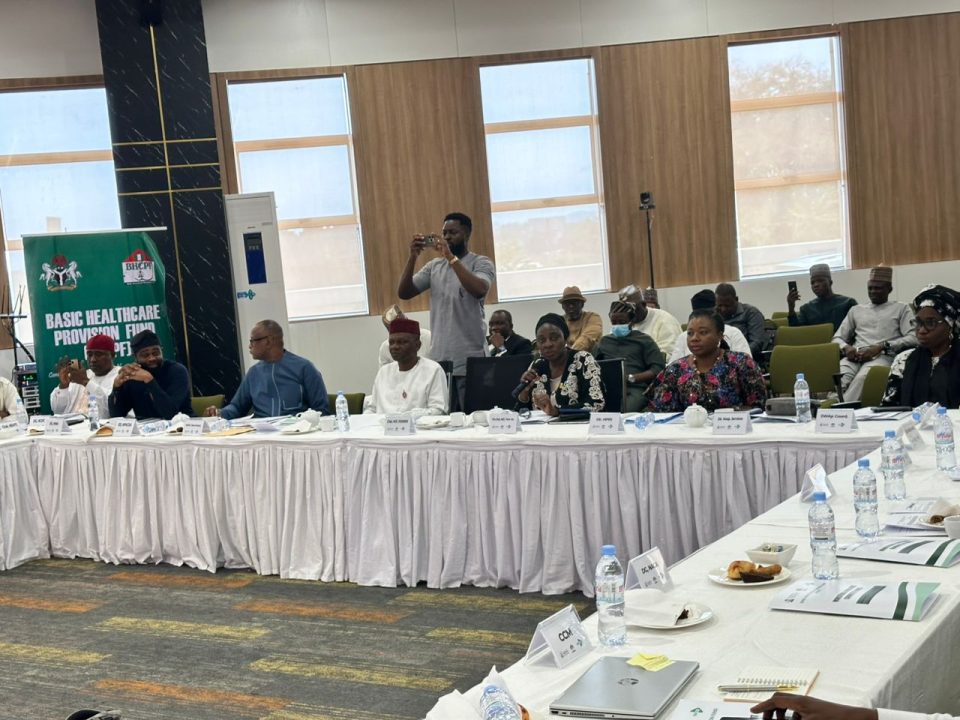
The CRC was unveiled at the 13th Expanded Ministerial Oversight Committee (MOC) meeting of the Federal Ministry of Health and Social Welfare chaired by the Coordinating Minister of Health and Social Welfare, Professor Muhammad Ali Pate, alongside the Minister of State for Health, Dr Iziaq Adekunle Salako.
The Centre will serve as a platform for Nigerians to lodge complaints, make inquiries, and provide feedback on health services, including BHCPF-related programmes.
At the meeting, the Federal Government has approved the disbursement of N32.9 billion under the Basic Health Care Provision Fund (BHCPF) for the fourth quarter of 2025, with payment scheduled to commence in January 2026, in line with the BHCPF 2.0 guideline.
The meeting reviewed progress on previous resolutions, assessed updates from BHCPF gateways, and strengthened implementation coordination toward advancing universal health coverage.
The committee approved the release of N32.9bn to support primary healthcare delivery across the federation, maintaining the now-regular cycle of quarterly funding to states and the FCT. The ministry also formally announced the Association of Local Governments of Nigeria (ALGON) as a member of the MOC, to deepen local government participation and ownership of primary healthcare implementation.
Civil Society Organisations remain integral members of the Committee and are expected to present improved accountability and community engagement strategies at the next meeting.
Giving a closing remark for the year 2025, Mrs. Daju Kachollom, mni, Permanent Secretary of the Ministry,, reaffirmed improved sector coordination among federal, state, and local governments, noting rising insurance coverage through the National Health Insurance Authority (NHIA) and ongoing reforms to expand private sector participation.
Executive Director of the National Primary Health Care Development Agency (NPHCDA), Dr. Muyi Aina, said the approval marks the fourth quarterly disbursement in 2025, reflecting consistency, strengthened accountability, and improved service delivery outcomes.
Director-General of NHIA, Dr. Kelechi Ohiri, highlighted increased transparency in publishing fund transfers, stronger accountability from gateways, and growing citizen oversight through civil society and media involvement.
The ministry also pledged continued reforms to accelerate impact in 2026, deepening accountability and driving equitable access to essential healthcare.
The BHCPF, established under the National Health Act (2014), remains Nigeria’s flagship health financing mechanism designed to guarantee sustainable funding for primary healthcare and support the poor and vulnerable.
The Federal Government reaffirmed its commitment to strengthening the health system, improving affordability, and advancing Universal Health Coverage for Nigerians under President Bola Ahmed Tinubu’s Renewed Hope Agenda.


