

By Iyemah David
The Africa Health Budget Network (AHBN) has warned that a family planning commodity crisis may be imminent in Nigeria following the complete absence of federal budget releases for contraceptive procurement in 2025.
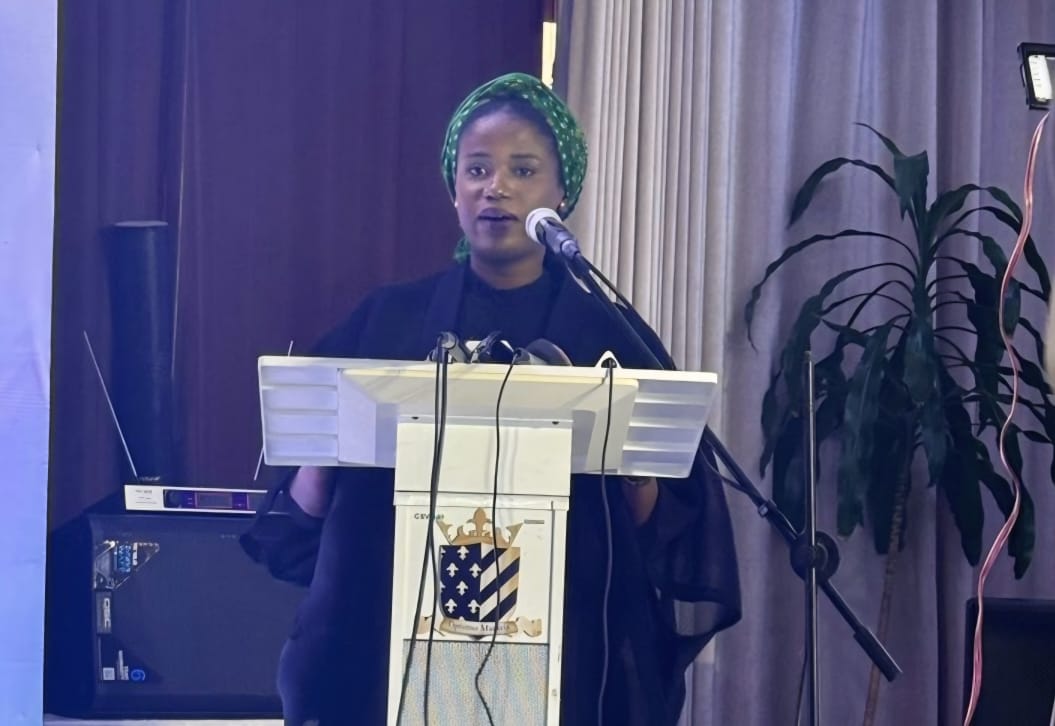
Programme Delivery Lead and Francophone Liaison at AHBN, Ms Amina Mohammed Haladu, raised the alarm on Monday in Abuja on the sidelines of the 9th Annual Conference of the Association of Nigerian Health Journalists (ANHeJ).
She said the funding gaps posed a grave threat to women’s health and the country’s demographic stability.
Ms Haladu She noted that the zero-budget release marked a significant departure from previous years, adding that Nigeria’s failure to meet its annual commitment of 4 million dollars to the UNFPA Basket Fund further weakened pooled procurement systems.
Citing a presentation titled “Nigeria’s Family Planning Commodities: Pills, Policies and Promises,” she said chronic underfunding was already causing severe harm.
“In 2024 alone, Nigeria recorded more than 800,000 unintended pregnancies, 300,000 unsafe abortions and more than10,000 preventable deaths among women due to poor access to contraceptives.
“The nation also missed more than 200 million dollars in potential health savings,” she said.
According to her, inconsistent funding patterns have undermined supply forecasting, crippled procurement cycles and triggered widespread stockouts.
“Between 2022 and 2023, Nigeria lost 1.5 million dollars annually under the UNFPA Supplies Match Fund, and in 2024, it failed to secure a second tranche of six million dollars in commodities due to unmet commitments,” she said.
Amina Haladu added that UNFPA estimated a $27 million shortfall for 2025, noting that only $4 million was allocated for family planning activities in the 2025 national health budget, far below what was required.
She, however, acknowledged emerging opportunities, including the National Primary Health Care Development Agency (NPHCDA)’s plan to procure $6 million worth of commodities for nationwide distribution.
The Programme Delivery Lead and Francophone Liaison added that the Federal Ministry of Health had allocated $4 million for 2025 and 2026, alongside a provision of six billion naira from the Presidential Medical Relief Fund for family planning commodities.
She noted that donor support, such as the Gates Foundation’s $25 million commodity support to Lagos State and UNFPA’s opportunity to unlock an additional two million dollars in supplies, remained valuable but insufficient to close the widening gap.
Ms Amina Mohammed warned that failure to resolve the crisis would strain the health system, increase child poverty, fuel unsafe abortions and worsen unintended pregnancies, ultimately weakening Nigeria’s economic and demographic prospects.
She urged the media to continue driving accountability by highlighting bottlenecks, scrutinising funding releases and amplifying evidence that could help policymakers prioritise family planning investments.


