

By Muhammad Amaan
The United States Centres for Disease Control and Prevention (U.S. CDC), alongside regional partners, inaugurated a Lassa fever simulation exercise in Cotonou, Benin, to strengthen surveillance coordination and response capacities across West Africa.
The May 4-8 exercise is organised with the African Field Epidemiology Network, ECOWAS Regional Centre for Surveillance and Disease Control, International Association of National Public Health Institutes, and Integrated Laboratory Services.
Surveillance and laboratory officers from Benin, Mali, Togo, Ghana, Nigeria, Mauritania and Burkina Faso are participating in sessions assessing laboratory systems, infection prevention, risk communication, community engagement, and cross-border health coordination.
Organisers said the simulation exercise, coordinated by Dr Kerton Victory, U.S. CDC West Africa Workforce Development Regional Adviser, was designed to improve preparedness and strengthen coordinated responses against cross-border health threats.
Benin Health Ministry Secretary General, Dr Ali Chabi, said regional collaboration and multisectoral coordination were essential against emerging diseases, while U.S. diplomat Shane Dixson reaffirmed Washington’s commitment to advancing health security.
Representing AFENET, Dr Herbert Kazoora said the exercise aligned with the organisation’s vision of “A Healthier Africa” and would strengthen resilient systems detecting and responding rapidly to emerging public health threats.
AFENET technical experts supporting the exercise include Dr Seogo Hamadou, Dr Donne Ameme, Dr Nestor Noudeke, Dr Marianne Bonkano and Dr Victor Adeola, alongside officials coordinating preparedness activities across West Africa.
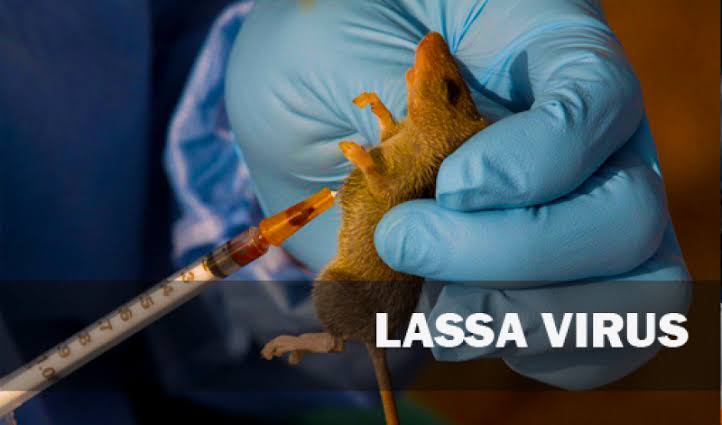
Lassa fever, a viral haemorrhagic disease endemic across parts of West Africa, causes annual outbreaks, reinforcing calls for stronger regional coordination and preparedness measures.


