

By Muhammad Amaan
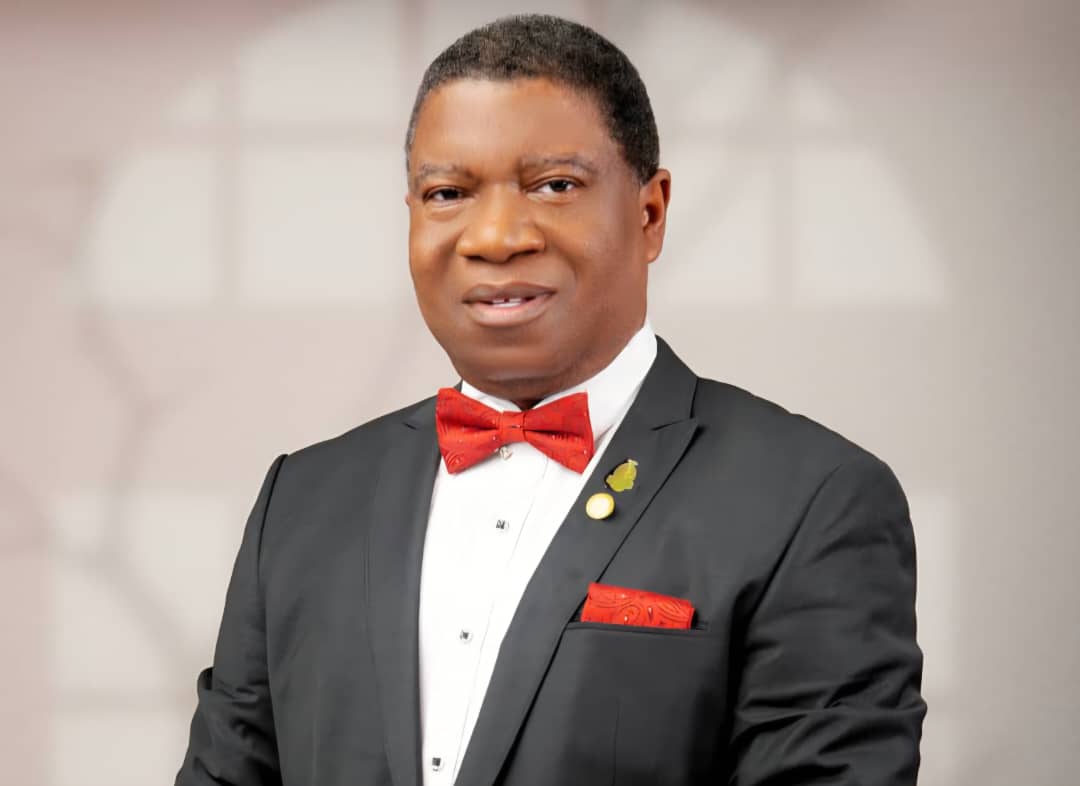
The newly elected President of the Nigerian Medical Association (NMA), Professor Afekhide Omoti, has called on the Federal Government to declare the health sector a national emergency over the next 10 years to revamp the struggling sector.
He said urgent and coordinated intervention was needed to address challenges affecting healthcare delivery, workforce retention, and hospital infrastructure across the country.
The NMA president stressed that both federal and state governments must treat the health sector as a priority area over the next 10 years.
Omoti, a professor of Ophthalmology at the University of Benin, Edo State, was recently elected as the NMA president at the association’s 66th Annual General Conference and Delegates Meeting.
The NMA president’s demand was coming amid increasing calls for reforms aimed at strengthening healthcare financing, improving working conditions for health workers, and expanding access to quality medical care nationwide.
Experts have repeatedly warned that inadequate funding, poor welfare conditions, and limited infrastructure continue to undermine healthcare delivery in Nigeria.
Stakeholders in the health sector have also raised concerns over the growing emigration of doctors, nurses, and other healthcare professionals, which they say is worsening manpower shortages in both public and private health institutions.
Speaking exclusively to PUNCH Healthwise, Prof. Omoti explained that his administration’s demands to the government are clear, measurable, and tied to timelines.
According to him, Nigeria cannot achieve meaningful economic growth or national security with a collapsing health system.
Prof. Omoti, who is the Chairman of the National Eye Health Committee at the Federal Ministry of Health, said the country needs a health-sector emergency recovery plan.
“First, I would demand that the government declare a National Health Emergency. The federal and state governments should jointly declare the health sector a national emergency for the next 5–10 years, with protected funding and quarterly accountability reviews,” the NMA president said.
He added that such an emergency framework should include stronger oversight and measurable implementation targets.
“This should include a presidential health-sector recovery task force, mandatory state-level implementation targets, and public scorecards on health outcomes,” he said.
The former NMA Chairman, Edo State chapter, also criticised what he described as chronic underfunding of the health sector, noting that Nigeria’s healthcare allocation remains below international recommendations.
“Secondly is to increase health funding to global benchmarks. Nigeria has consistently underfunded healthcare. Our budget for health is usually between 4 and 6%,” he said.
He urged the government to fully implement the Abuja Declaration, which recommends that at least 15 per cent of national budgets be allocated to health.
Omoti said, “We would demand full implementation of the Abuja Declaration target of allocating at least 15% of the national budget to health, ring-fenced primary healthcare funding, transparent tracking of all health expenditures, reduction of out-of-pocket spending through stronger insurance coverage, and the focus must shift from political projects to human survival.”
The NMA president further described the migration of healthcare workers from Nigeria as a national emergency requiring immediate action.


