

By Muhammad Amaan
A newly confirmed outbreak of the Bundibugyo strain of Ebola virus disease (EVD) in eastern Democratic Republic of the Congo has triggered fresh regional concerns following its cross-border spread to Uganda and the absence of an approved vaccine.
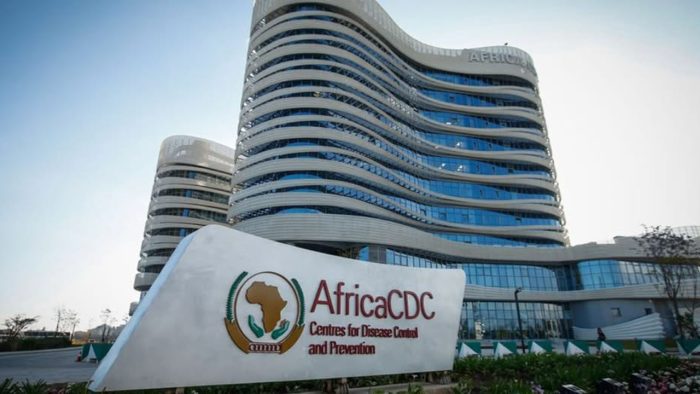
Director-General of the Africa Centres for Disease Control and Prevention, Dr. Jean Kaseya, raised the alarm during a special briefing on the outbreak status, warning that the situation poses a high risk to neighbouring countries.
According to Kaseya, the outbreak is centred in Ituri Province, with active community transmission reported across multiple health zones, including Mungwalu, Rwampara and Bunia. Data presented indicated hundreds of alerts, dozens of deaths, and confirmed infections, with many fatalities occurring within communities before cases were detected.
He attributed the rapid spread to a four-week detection gap that allowed the virus to circulate undetected, particularly in high-traffic mining areas characterised by frequent population movement.
“The presence of active community transmission, coupled with delayed detection and cross-border mobility, significantly increases the risk of further spread within the region,” Kaseya said.
The regional threat intensified after Ugandan authorities confirmed an imported case linked to the DRC outbreak. The case involved a 59-year-old Congolese national who presented symptoms consistent with viral haemorrhagic fever in Kampala and later died, prompting Uganda to declare an outbreak.
Kaseya warned that movement between DRC, Uganda and South Sudan—especially among traders and mining workers—could accelerate transmission if containment measures are not urgently strengthened.
Laboratory analysis confirmed the outbreak is caused by the Bundibugyo ebolavirus, a rare strain first identified in Uganda in 2007. Unlike the more widespread Zaire strain, which has approved vaccines, there is currently no licensed vaccine for the Bundibugyo strain, complicating response efforts.
He also cited limited access to therapeutics and diagnostics, as well as the absence of robust manufacturing capacity for critical medical countermeasures on the continent, as major challenges.
Further complicating the response are reported infections and deaths among healthcare workers, pointing to gaps in infection prevention and control measures. In addition, a high number of community deaths, including household clusters, suggests weak surveillance systems and delayed case identification.
The outbreak is unfolding in an area affected by insecurity, which continues to hamper rapid response operations, including contact tracing and access to affected populations.
In response, Africa CDC has activated its Incident Management Support Team and is coordinating with national authorities and partners. Measures underway include deployment of multidisciplinary teams, enhanced surveillance and contact tracing, strengthened border screening, and cross-border coordination.
Kaseya added that efforts are ongoing to identify potential vaccines and therapeutics, with partners mapping global stockpiles of investigational vaccines for possible deployment.
Despite growing concerns, he noted that the outbreak remains geographically contained, offering a narrow window to prevent wider spread. However, he cautioned that failure to act swiftly could see the virus reach major urban centres and transport hubs.
Public health experts say the resurgence of a rare Ebola strain—combined with cross-border transmission and limited medical countermeasures—underscores Africa’s vulnerability to emerging infectious diseases and highlights the urgent need for investment in epidemic preparedness, local vaccine production, and stronger health systems.


