

By Haruna Gimba
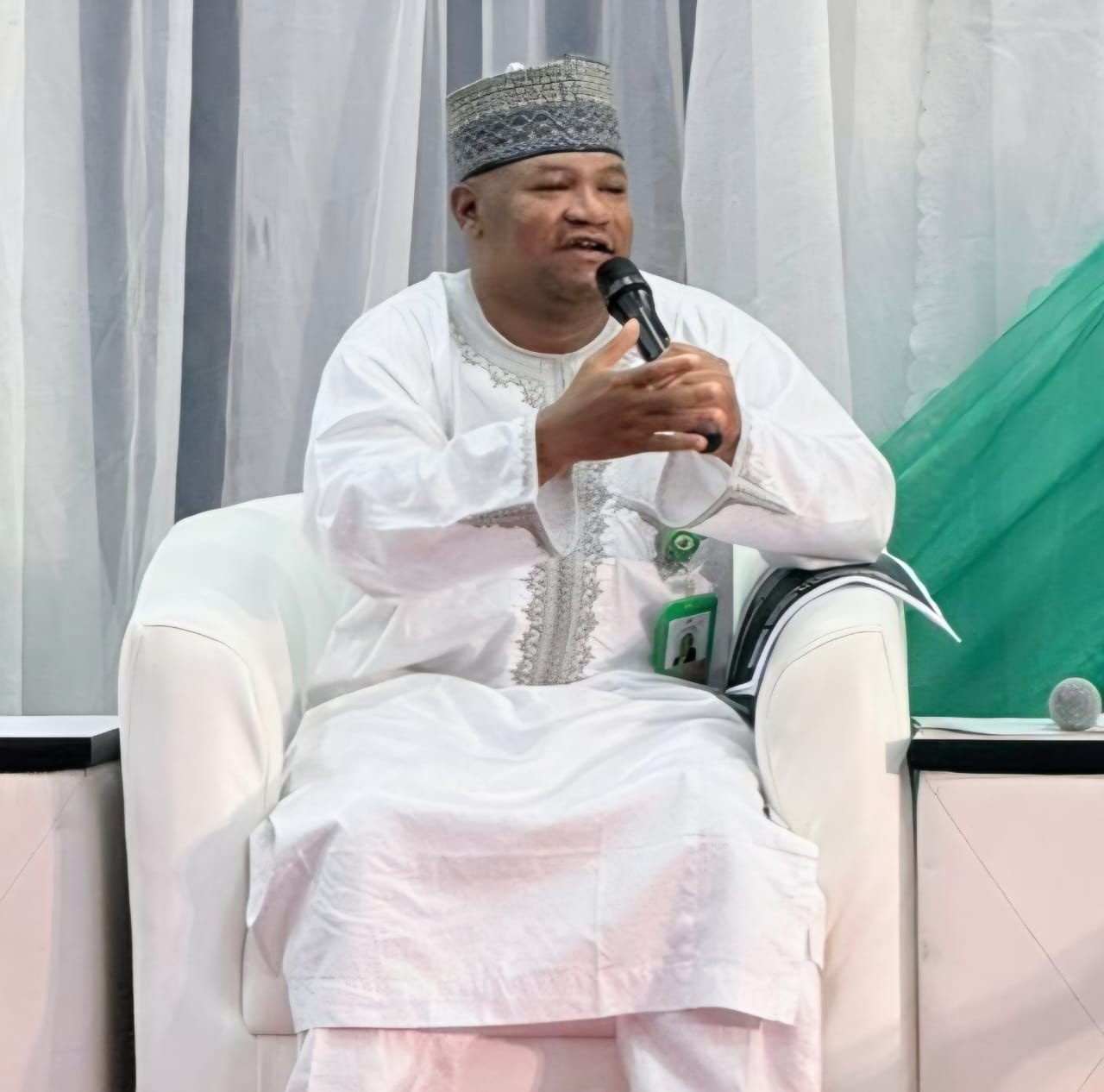
The Coordinator of the African Health Budget Network (AHBN), Dr Aminu Magashi Garba, has called on governors of the 36 Northern States to prioritise health financing, strengthen primary healthcare systems and establish accountability mechanisms to improve health outcomes.
He made the call on Wednesday in Abuja at the Human Capital Development Summit for Northern Nigeria, organised by the Sir Ahmadu Bello Memorial Foundation in collaboration with the Northern States Governors’ Forum (NSGF).
The summit, themed “Investing in People, Empowering Communities, Building a Sustainable Future,” highlighted the need for coordinated action to address poor health outcomes, educational deficits, unemployment and digital exclusion affecting many communities in Northern Nigeria.
Speaking on health and human capital development, Dr Magashi expressed concern over high under-five mortality rates, low immunisation coverage, shortages of health workers and rising out-of-pocket health expenditure in Northern Nigeria.
Magashi also proposed a peer-review system and periodic scorecards to track progress on key health and human capital indicators across the region.
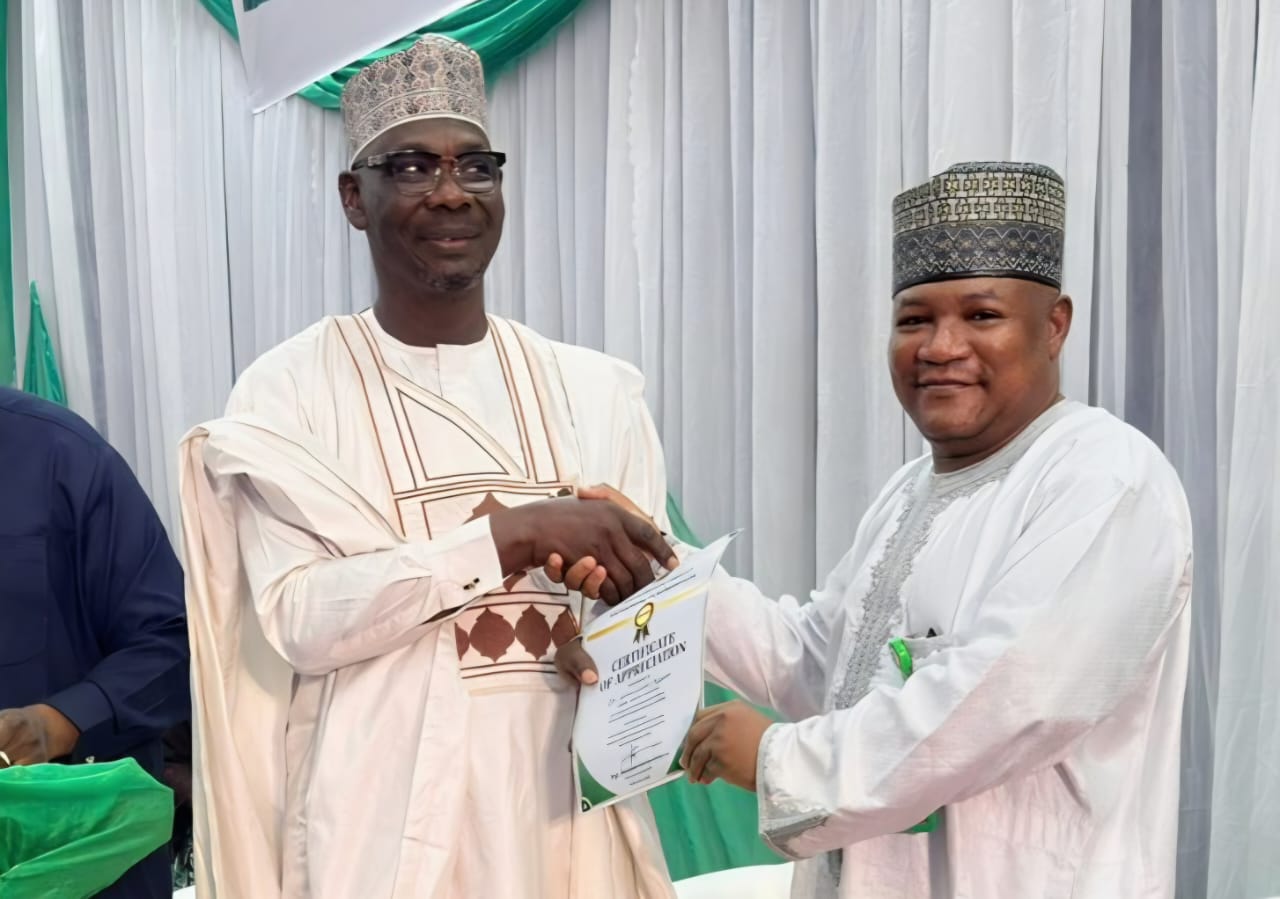
Speaking on education and out-of-school children, the Executive Secretary of the Universal Basic Education Commission (UBEC), Mrs Aisha Garba, identified poverty and inadequate investments in education as major barriers to improving learning outcomes.
Mrs Garba urged state governments to strengthen collaboration with education agencies and increase investments to reduce the number of out-of-school children.
Ms Rukaiyah El-Rufai, Special Adviser to the President on Human Capital Development in the Office of the Vice President, said Northern Nigeria continues to bear a disproportionate share of the country’s human capital challenges.
Ms El-Rufai noted that millions of children remain out of school, while poverty, poor health outcomes and inadequate skills development continue to limit opportunities for young people.
According to her, the Federal Government’s Human Capital Development 2.0 Roadmap provides a framework for improving health, education, livelihoods and workforce participation through coordinated action across all levels of government.
Health Reporters Newspaper reports that participants at the summit agreed that improving access to healthcare, quality education, digital opportunities and sustainable livelihoods would be essential to empowering communities and securing Northern Nigeria’s future development.


