

By Musa Abdullahi Sufi
As Northern Nigeria continues to grapple with some of the country’s most pressing development challenges, health financing and human capital investment have emerged as critical pathways toward sustainable progress.
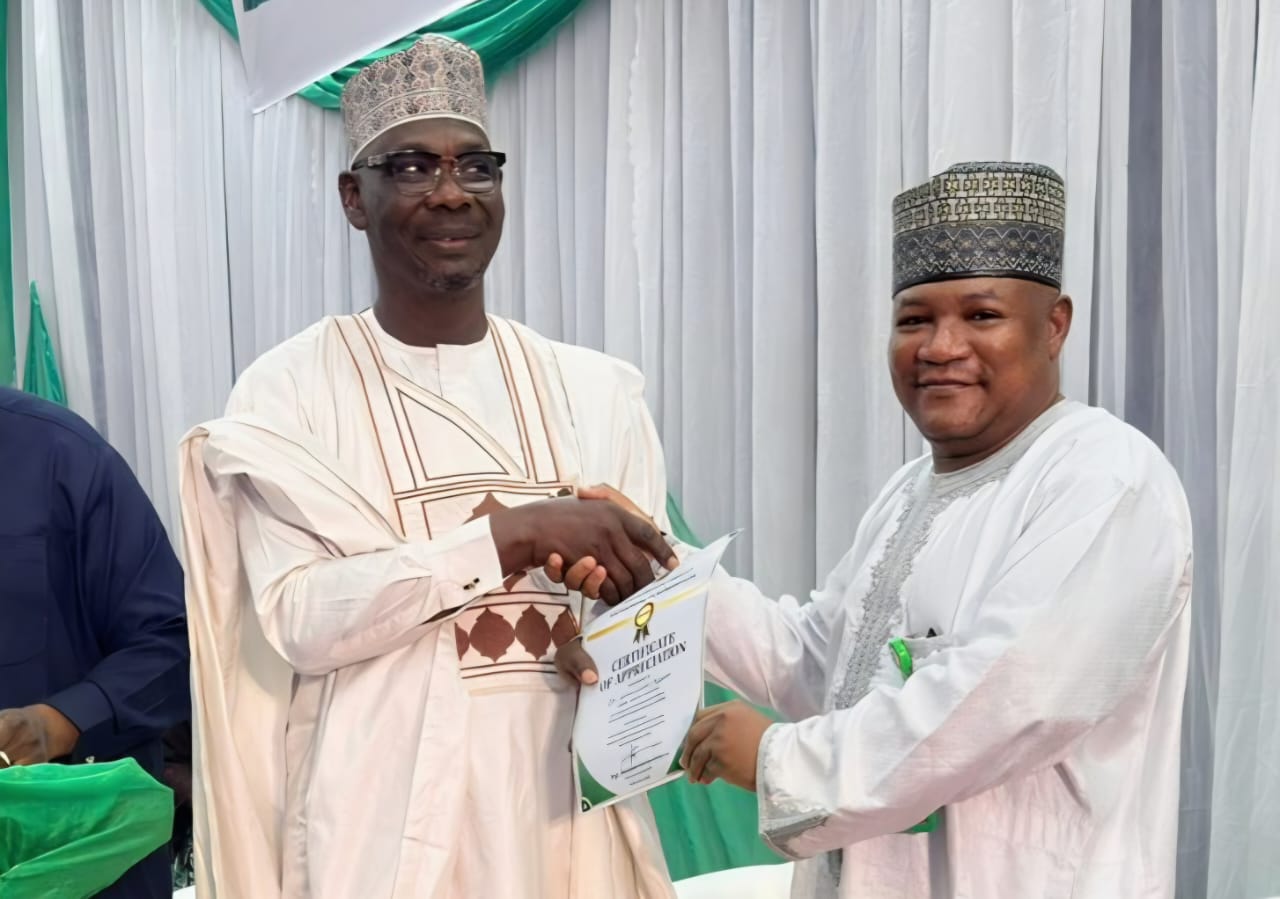
At the Human Capital Development Summit for Northern Nigeria held in Abuja, development experts, government officials, and policymakers converged to explore practical solutions for improving health, education, livelihoods, and digital inclusion across the region.
The summit, organized by the Sir Ahmadu Bello Memorial Foundation in partnership with the Northern States Governors’ Forum (NSGF), was held under the theme: “Investing in People, Empowering Communities, Building a Sustainable Future.”
Among the leading voices at the gathering was Dr Aminu Magashi Garba, Coordinator of the African Health Budget Network (AHBN), who delivered a compelling call for Northern governors to place health financing at the centre of their development agendas.
Health Financing: The Foundation of Human Capital Development
Dr Magashi emphasized that sustainable development cannot be achieved without strong investments in healthcare systems, particularly at the primary healthcare level where millions of citizens access essential services.
He urged governors across Northern Nigeria to increase domestic health funding, strengthen primary healthcare infrastructure, and institutionalize accountability mechanisms that ensure resources translate into measurable outcomes.
According to him, the region continues to face significant health challenges, including high under-five mortality rates, low immunization coverage, shortages of skilled healthcare workers, and rising out-of-pocket healthcare expenditures that push vulnerable families deeper into poverty.
“Health is not merely a social service; it is a critical investment in human capital,” Dr Magashi stressed, noting that healthier populations are more productive, economically resilient, and capable of contributing to national development.
To accelerate progress, he proposed the adoption of a regional peer-review mechanism and periodic performance scorecards that would enable states to track achievements, identify gaps, and promote healthy competition in improving key health indicators.
Education and Human Capital: Breaking the Cycle of Poverty
The summit also spotlighted the growing education crisis affecting Northern Nigeria, particularly the alarming number of out-of-school children.
The Executive Secretary of the Universal Basic Education Commission (UBEC), Mrs Aisha Garba, identified poverty and inadequate educational investments as major obstacles to improving learning outcomes.
She called on state governments to deepen collaboration with education stakeholders and prioritize investments that ensure children not only enroll in school but also receive quality education capable of preparing them for future opportunities.
Her remarks reinforced a growing consensus among development practitioners that education remains one of the most powerful tools for reducing inequality and fostering long-term economic growth.
Human Capital Development as a Strategic Imperative
Speaking on behalf of the Federal Government, Rukaiyah El-Rufai, Special Adviser to the President on Human Capital Development in the Office of the Vice President, highlighted the disproportionate burden Northern Nigeria carries in the nation’s human capital development landscape.
She noted that millions of children remain outside the formal education system while poverty, poor health outcomes, and inadequate skills development continue to limit opportunities for young people.
El-Rufai explained that the Federal Government’s Human Capital Development 2.0 Roadmap provides a comprehensive framework for improving health, education, workforce participation, and livelihoods through coordinated interventions at federal, state, and local government levels.
The roadmap, she noted, seeks to strengthen the capacity of communities while creating pathways for inclusive economic growth and social development.
Building a Sustainable Future for Northern Nigeria
A key takeaway from the summit was the recognition that development challenges cannot be addressed in isolation. Health, education, digital inclusion, and economic empowerment are interconnected pillars of human capital development that require coordinated action and sustained investment.
Participants agreed that improving access to quality healthcare services, expanding educational opportunities, promoting digital literacy, and creating sustainable livelihoods are essential for unlocking the region’s enormous human potential.
For development stakeholders, the message from Abuja was clear: investing in people remains the most effective strategy for transforming communities and securing Northern Nigeria’s future.
As governments across the region seek solutions to persistent development challenges, experts believe that stronger political commitment, increased financing, and greater accountability will determine whether Northern Nigeria can convert its demographic strength into lasting prosperity.
SIDES Media Development Perspective
The discussions at the Human Capital Development Summit underscore a fundamental reality, sustainable development begins with strategic investments in people.
Strengthening primary healthcare systems, improving educational outcomes, and expanding economic opportunities are not merely policy choices, they are essential prerequisites for achieving inclusive growth, reducing poverty, and building resilient communities.
Northern Nigeria possesses immense human potential, and unlocking that potential will require bold leadership, evidence-based investments, and collective action across all sectors of society.
Sufi of SIDES Media writes from Kano


