

By Muhammad Amaan
The World Health Organization (WHO) said the Ebola epidemic in the Democratic Republic of the Congo (DRC) has reached 8,665 confirmed cases and 4,178 deaths, with transmission slowing in some areas but growing elsewhere.
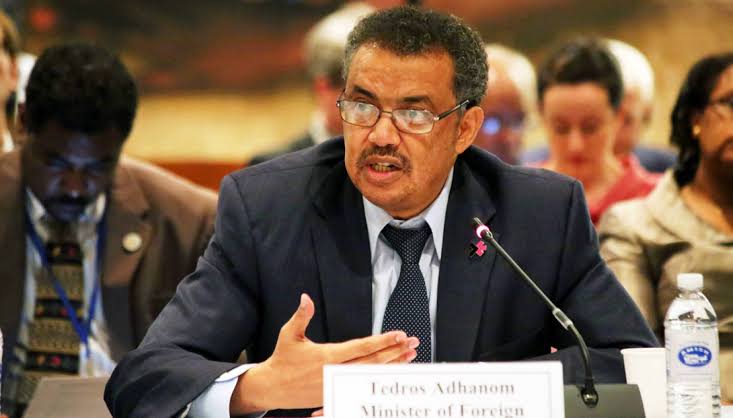
WHO Director-General, Dr Tedros Ghebreyesus, said this on Wednesday during a news conference, saying contact tracing had improved significantly, with about 2,000 alerts reported daily and nearly five million people reached.
He said clinical trials of Ebola therapeutics were progressing, with more than 600 people enrolled, while a vaccine trial was expected later in October, with efforts underway to ensure equitable access.
Dr Ghebreyesus, however, said significant challenges remained, noting that most Ebola deaths still occurred in communities rather than treatment centres, while contact tracing had yet to reach levels required for containment.
He said the outbreak was also unfolding amid a prolonged humanitarian crisis, with new transmission hotspots continuing to emerge in spite of an overall decline, including areas near South Sudan’s border.
The WHO chief said Kenya had reported its first imported Ebola case after a citizen who became ill in the DRC travelled through Uganda before arriving in Nairobi, where he died.
He said Kenyan authorities were monitoring 55 contacts, including passengers and crew members who travelled with the patient from Kampala to Nairobi, while WHO continued supporting the country’s response efforts.
Ghebreyesus commended Kenya for its prompt action and timely notification of WHO under International Health Regulations, emphasising that preparedness, screening and contact tracing were more effective than travel restrictions.
He said the health situation in Gaza remained critical, with the needs of almost two million people overwhelming available services, and called for uninterrupted humanitarian supplies and restored healthcare access.
The WHO chief said the organisation had also released new guidelines addressing rising obesity among children and adolescents, noting prevalence had quadrupled globally over 25 years, from two per cent.
“More than 170 million children and adolescents now live with obesity, according to WHO, which recommends structured changes to diet, behaviour and physical activity, alongside guidance on medicines, bariatric surgery.
“WHO also launched a global roadmap on hypertensive disorders in pregnancy, including pre-eclampsia, which accounts for about 16 per cent of maternal deaths globally and remains a major concern.
“The condition is associated with 42,000 maternal deaths and more than 500,000 stillbirths and newborn deaths annually, highlighting the urgent need for improved prevention, diagnosis, treatment and care worldwide.
“The roadmap seeks to accelerate investment and innovation to expand access to proven interventions, medicines and other measures for preventing and treating pre-eclampsia, particularly in countries with limited resources.
According to him, ahead of World Mental Health Day on October 10, attention would focus on the lived experiences of people with mental health conditions, especially those institutionalised previously.
He said the organisation would inaugurate a practical guide to help countries move from institutionalised mental healthcare towards person-centred community services that respected people’s rights, dignity and personal choices.
On a separate development, he said WHO was seeking further information from Russia over the death of a laboratory worker following severe pneumonia amid reports of pneumonic plague.
The WHO chief said Russia reported that no recent plague case had been detected in Irkutsk oblast and that about 200 contacts had been quarantined, while additional information was requested.
He said WHO had also sought verification of reports of a second employee with pneumonia of undetermined cause and had offered technical support on biosafety, biosecurity and plague management.
Ghebreyesus said WHO could not yet conduct a full risk assessment because it lacked complete information, emphasising that transparent and timely data sharing remained essential for public health.


