

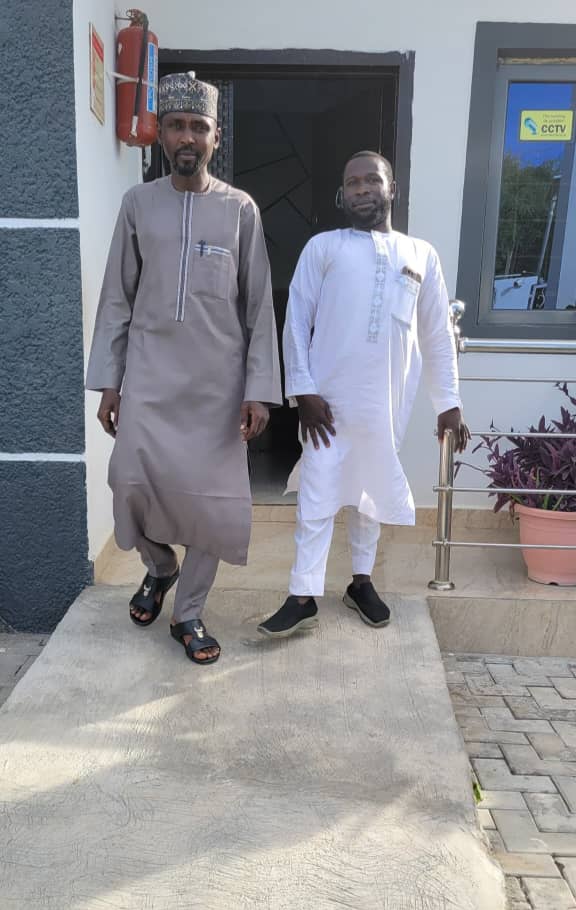
AHBN/YOSPIS Champion Dignity, Independence and Equal Opportunity for All
By Aftahana Dahiru Sarina
For many people, exclusion is not always visible. It can be experienced through a building without an accessible entrance, a public institution that fails to provide information in accessible formats, a service that does not consider diverse needs, or a system that unintentionally prevents individuals from participating fully in society.
Yet, every individual deserves the opportunity to access institutional spaces, obtain essential services, participate in decision-making, and contribute to community development with dignity, independence and equal opportunity.
Recognising the need to address these barriers, the Africa Health Budget Network (AHBN) and the Youth Society for the Prevention of Infectious Diseases and Social Vices (YOSPIS) are strengthening advocacy for more inclusive and accessible institutional spaces where no one is left behind.
From Exclusion to Participation
Inclusion goes beyond simply allowing people to be present. It means creating an environment where everyone can participate meaningfully, regardless of their circumstances, abilities, age, gender or other barriers that may affect their access to services and opportunities.
For a person with a disability, inclusion may mean being able to enter a government office independently because the building has an accessible entrance. It may mean accessing healthcare without discrimination, receiving information in a format they can understand, or being able to express their views and have those views genuinely considered.
For women, young people and other underserved groups, inclusion may mean having meaningful opportunities to participate in public consultations, community decision-making and policy processes that affect their lives.
These are not privileges. They are fundamental elements of a fair, equitable and responsive society.
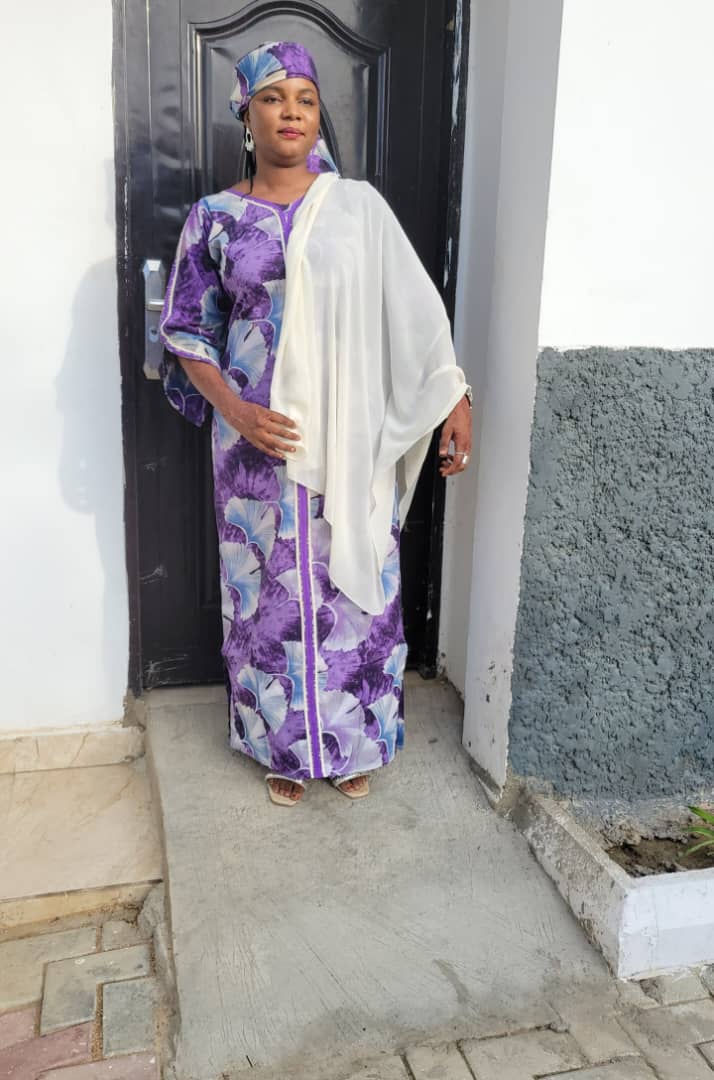
Addressing Institutional Barriers
AHBN and YOSPIS recognise that sustainable inclusion requires institutions to identify and address barriers embedded in their policies, structures and practices.
This includes promoting:
– Accessible institutional infrastructure that enables people with different physical needs to move, access services and participate independently.
– Inclusive communication that ensures important information is available in accessible, clear and understandable formats.
– Equal access to public services, particularly healthcare, social protection and other essential services.
– Meaningful participation of excluded and underserved communities in policy development and decision-making.
– Effective accountability mechanisms through which citizens can report barriers, discrimination or exclusion and receive appropriate responses.
– Inclusive budgeting and planning that deliberately allocates resources to address the needs of vulnerable and underserved populations.
– Respect and dignity, ensuring that individuals are treated as rights-holders rather than as beneficiaries of charity.
Inclusion Starts with Listening
A truly inclusive institution does not assume what people need. It listens to the people affected by exclusion and involves them in designing solutions.
This means creating spaces where persons with disabilities, women, young people, vulnerable households and other underserved groups can share their experiences and influence decisions that affect their lives.
Their voices should not merely be collected for consultation; they should help shape policies, programmes, budgets and institutional practices.
Meaningful inclusion requires institutions to move beyond consultation towards genuine participation, shared ownership and accountability.
Building Institutions Where Everyone Belongs
The journey from exclusion to inclusion requires a shift in mindset—from viewing accessibility and participation as additional responsibilities to recognising them as essential components of good governance and equitable development.
AHBN and YOSPIS therefore advocate for institutions that are accessible, responsive, accountable and people-centred.
The goal is simple but powerful: a society where an individual’s circumstances do not determine whether they can enter an institution, access a service, express an opinion, or participate in decisions that affect their lives.
A Call to Action
Moving from exclusion to inclusion requires collective action from government institutions, civil society organisations, development partners, communities and citizens.
Institutions must identify and remove barriers.
Policymakers must integrate inclusion into planning, budgeting and implementation.
Service providers must uphold dignity, accessibility and equal treatment.
Civil society organisations must continue to amplify the voices of underserved communities and hold institutions accountable.
Communities and citizens must support inclusive practices and challenge barriers that prevent people from participating fully in society.
Every individual deserves to access institutional spaces with dignity, independence and equal opportunity.
Inclusion is not simply about opening the door. It is about ensuring that everyone can enter, participate, be heard and belong.
From exclusion to inclusion, the commitment must be deliberate, measurable and sustained.
Aftahana Dahiru Sarina, Coordinator of V-PeSDI writes from Kano.


