

By Sadiq S. Malami
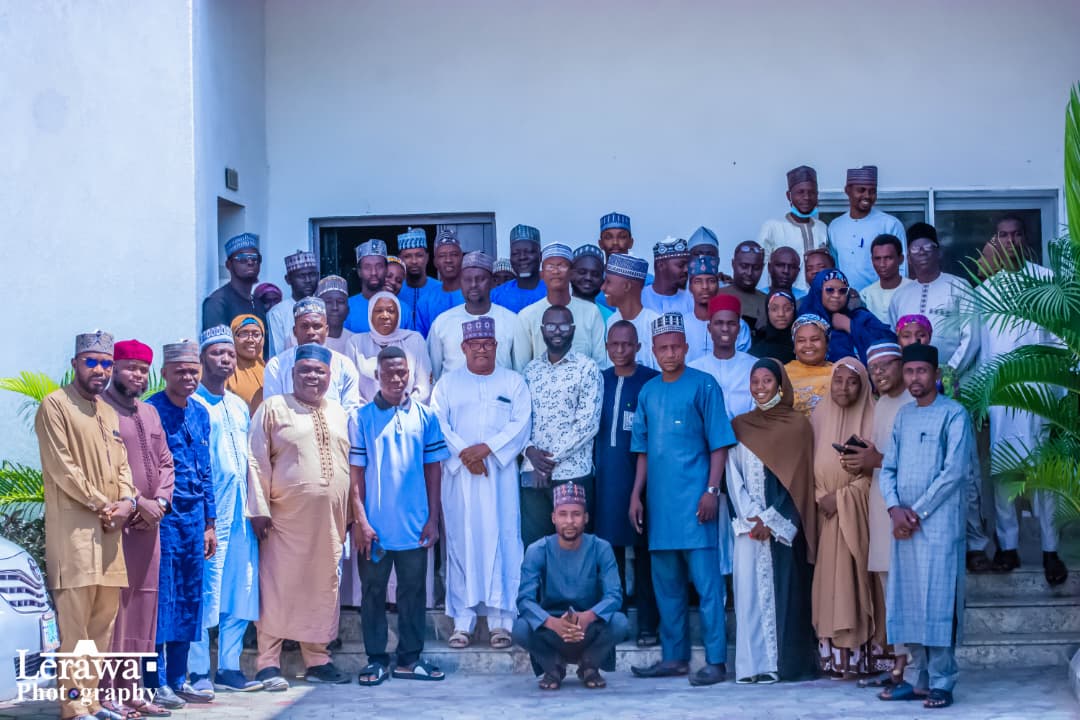
The Africa Health Budget Network (AHBN), under the Gavi CSO Fund Mechanism, has convened a two-day capacity-building workshop in Bauchi State under its project, “Strengthening Immunisation Coverage and Budget Accountability to Reach Zero Dose and Under Immunised Children in Bauchi State.”
The workshop, held between October 25 and 26, 2026, brought together representatives of participating Community-Based Organisations (CBOs), State and Local Government Area (LGA) Monitoring, Evaluation and Learning (MEL) Officers, Outreach Fellows, Community Mobilisers, Mobile Team Volunteer Recorders, health facility representatives and AHBN project and M&E staff.
The engagement focused on strengthening coordination between community structures and government monitoring systems to improve the identification, tracking and follow-up of zero-dose, under-immunised and missed children across 11 LGAs.
The sessions combined technical presentations, practical demonstrations and LGA group exercises.
Participants examined the processes for identifying and validating zero-dose and under-immunised children, community-level data collection and reporting using Open Data Kit (ODK), and the application of the NPHCDA/Gavi Accountability Framework 3.0 in assessing immunisation performance.
The workshop also addressed data quality, reporting and reconciliation, including the need to validate community-generated information against health facility records and government reporting systems such as DHIS2.
Discussions further covered Community Event-Based Surveillance (CEBS) and Community Indicator-Based Surveillance (CIBS), with emphasis on reporting suspected vaccine-preventable diseases and other priority public health events through established channels.
A key outcome of the engagement was the development of LGA-specific Zero-Dose and Under-Immunised Children Tracking and Reporting Workflows, alongside the identification of data quality challenges and practical mitigation measures.
These exercises are intended to strengthen local monitoring, improve feedback and follow-up mechanisms, and ensure that information generated by community actors informs outreach planning and accountability processes.
Through this approach, AHBN is supporting stronger links between community-level evidence and government decision-making, recognising that improving routine immunisation coverage requires not only identifying children who have been missed, but also ensuring that systems are in place to reach and account for them.


