

By Muhammad Amaan
The Coordinating Minister of Health and Social Welfare, Prof Muhammad Ali Pate has called on state and local governments to increase their healthcare funding, saying that the federal government cannot sustain the nation’s health system alone.
He said increased investment by sub-national governments was critical to sustaining ongoing health reforms and improving access to quality healthcare, particularly at the primary healthcare level.
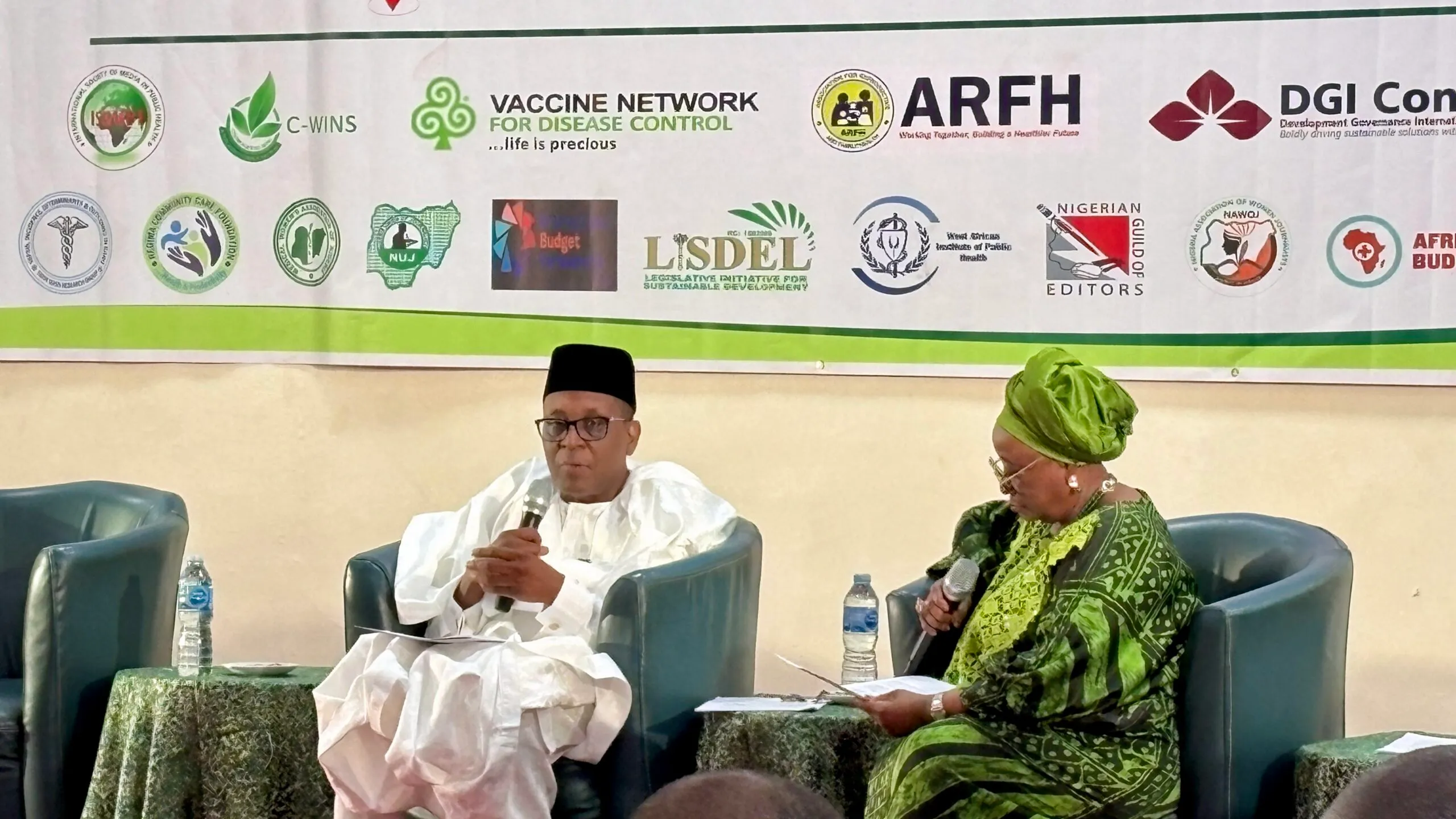
The Minister made the submission in Abuja at a Civil Society Organisations (CSOs) and Media-led Mid-year review of Nigeria’s health sector reforms and policy dialogue.
According to him, resources being channelled to states through federal interventions are intended to help them address gaps in healthcare delivery rather than make health financing solely a federal responsibility.
“It’s not just the federal government,” Pate said, stressing the need for states and local governments to invest more in healthcare.
The Minister said the government was pursuing a broader shift towards domestic financing of the health sector, especially as changing priorities and financial pressures in donor countries make external funding less predictable.
“The path out of that dependency that we have enjoyed over the last several decades is to put domestic resources, federal, state, local government, to invest in health for people,” he said.
The Minister emphasised that greater sub-national investment was particularly important for primary healthcare, which remains the first point of contact for millions of Nigerians.
Prof. Pate noted that the Basic Health Care Provision Fund (BHCPF) was designed to strengthen primary healthcare financing, with contributions expected from different levels of government.
He said in June, N339 billion was disbursed through the BHCPF since its establishment, with more than 8,000 primary healthcare facilities receiving quarterly direct financing under the scheme.
Pate therefore urged states to complement federal resources to expand services and ensure that investments translate into better healthcare for communities.
The Minister also linked the sustainability of healthcare financing to broader economic performance, saying increased government revenue will provide more resources for health, education and other social sectors.
He said tax reforms and economic growth could create additional fiscal space for government to increase social spending.
“The implication of removing the subsidy is that it provides added revenue to the government, federal and state, that ideally should be channelled more towards social sectors, because you are creating fiscal space,” he said.
Pate noted that Nigeria’s revenue-to-GDP ratio, remained relatively low, limiting the resources available to government to finance essential public services.
According to him, improving revenue collection was therefore important to expanding the pool of resources available for healthcare without relying excessively on external assistance.
The Minister also highlighted progress in healthcare delivery, including the approval of 79 additional ambulances towards a target fleet of 400 and the increase in annual medical school admissions from about 5,000 to 10,800.
He said an expanded emergency care programme had supported nearly 60,000 cases involving women in two years, helping to remove financial barriers to emergency obstetric care, including Caesarean sections.
Pate, however, said sustaining such interventions would require stronger domestic financing and greater commitment from states and local governments.
He also urged civil society organisations to continue monitoring government spending and implementation, saying their feedback was helping to identify gaps and improve health sector reforms.
According to Pate, CSO input contributed to the development of the Health Sector Renewal Investment Initiative and the sector-wide partnership involving the federal government, states, local governments and civil society.
He said the partnership marked a shift towards a health system that responds more directly to the needs of Nigerians.
Pate acknowledged that years of underinvestment could not be reversed within a few years but said government remained committed to building a sustainable health system.
He said the responsibility for achieving better health outcomes must therefore be shared across all levels of government.
Meanwhile, the National Agency for Food and Drug Administration and Control (NAFDAC) has stressed that Universal Health Coverage (UHC) cannot be achieved without strong regulatory systems, quality medicines and competent leadership.
Director-General of the agency, Professor Mojisola Adeyeye, who stated said, “We cannot have UHC without commodities. We cannot have universal health coverage without leadership.
She said NAFDAC had strengthened its internal systems, staff capacity and regulatory processes to ensure Nigerians have access to safe, effective and quality medicines and nutritious foods.
Prof. Adeyeye said the agency had moved from maturity level one to level three following assessment using the World Health Organisation’s Global Benchmarking Tool.
She noted that NAFDAC’s membership of the International Council for Harmonisation of Technical Requirements for Pharmaceuticals for Human Use had further strengthened Nigeria’s position within the global regulatory community.
Adeyeye said the reforms were focused not only on meeting international standards but also on building sustainable regulatory institutions capable of protecting public health.


